
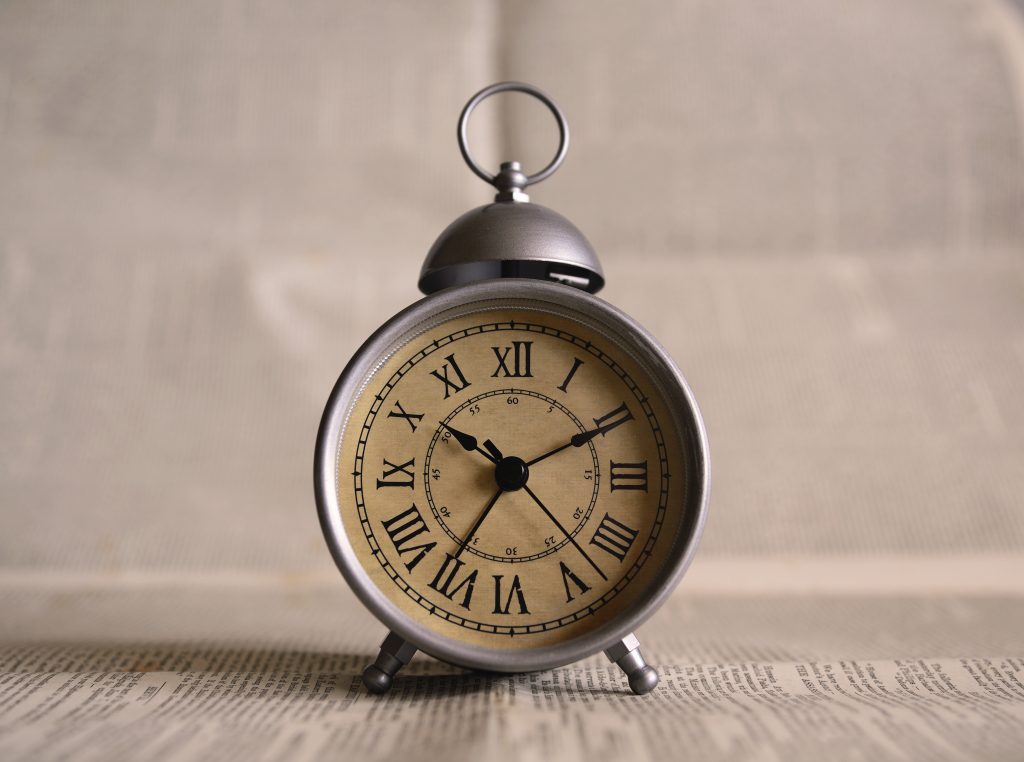
Ken Ross Jewellers provides expert antique clock care and restoration in Melbourne. Control humidity, temperature, and storage for lasting precision.
Antique clocks are intricate mechanical instruments that require ongoing attention to remain accurate and well-preserved. Proper antique clock care throughout the year ensures the longevity of delicate components that react sensitively to changes in environmental conditions. Seasonal variations in temperature, humidity, and storage environments can have a direct impact on precision and mechanical stability.
Environmental Stability for Antique Clock Preservation
Fluctuating humidity levels remain one of the most significant environmental factors affecting both the internal mechanisms and external casings of antique clocks. Consistent humidity control in antique clock care helps prevent corrosion in metal components, warping in wooden cases, and deterioration of delicate finishes. Sustaining balanced environmental conditions is essential to maintain structural integrity and long-term mechanical accuracy in heritage timepieces.
Recommended practices include:
• Monitor humidity with precision instruments: Use a digital hygrometer to maintain consistent air quality and detect fluctuations early.
• Regulate excess moisture: Install a dehumidifier during humid periods to prevent metal oxidation and wood expansion.
• Stabilise enclosed environments: Place silica gel or molecular sieve packs inside display cabinets to absorb ambient moisture.
• Optimise clock placement: Keep timepieces away from kitchens, bathrooms, and heating or cooling vents that cause sudden humidity shifts.
• Implement seasonal adjustments: Reassess humidity levels periodically, especially during transitions between wet and dry months, to sustain environmental control.
Antique Clock Temperature Management
Fluctuating moisture and temperature levels pose a significant risk to the internal mechanisms and external finishes of antique clocks. Prolonged exposure to damp conditions encourages corrosion in metal parts, while heat and dryness can cause wooden casings to crack or separate at the joints. Consistent humidity control in antique clock care is essential to preserve both the functionality and craftsmanship of delicate horological pieces.
Practical measures include using digital hygrometers to track environmental changes, operating dehumidifiers during humid periods, and placing silica gel packs inside enclosed display cabinets. Positioning clocks away from kitchens, bathrooms, or heating vents also minimises exposure to sudden temperature and humidity fluctuations, supporting their long-term preservation and reliable performance.
For Australian-specific guidance on conserving mechanical and horological objects, see AICCM’s discussion on machinery, clocks and scientific equipment.
Storage Best Practices for Antique Clocks
Correct storage is essential during seasonal transitions or extended periods of inactivity. Dust, vibration, and poor positioning can compromise movement alignment and surface finishes.
Technical storage guidelines include:
• Wrapping clocks in acid-free, breathable cloth.
• Storing upright to maintain escapement alignment.
• Avoiding damp basements or areas with fluctuating airflow.
• Having the clock serviced before long-term storage to ensure lubricants are fresh.
Expert Antique Clock Restoration and Service in Melbourne
Preserving antique clocks requires both technical mastery and precision tooling to maintain their historical and mechanical integrity. Our team at Ken Ross Jewellers offers expert restoration and maintenance services in Melbourne designed to protect and revitalise valuable timepieces, ensuring each clock continues to perform and endure as a lasting piece of craftsmanship.
Contact us to arrange a professional assessment and care, ensuring your clock continues to function beautifully across all seasons.
Related Blog Article: Antique Clock Stopped After Battery Change? Here’s What to Do Next